Mekina Technical Services
Technical Services Specialist
The latest waterproofing techniques in 2026 are shifting away from single-layer systems toward hybrid, multi-defense approaches that combine crystalline admixtures, liquid-applied elastomeric membranes, and nano-engineered coatings. Rather than relying on one barrier, modern systems build in redundancy: protection inside the concrete, on its surface, and on top of it. If one layer fails, the others still hold.
This shift is being driven by longer monsoon cycles, more extreme temperature swings, rising groundwater levels, and stricter expectations for structures to last decades without failure. Mekina Technical Services tracks these developments closely to make sure every project uses the right combination of techniques for long-term protection.
The 5 Waterproofing Techniques Leading in 2026
1. Crystalline Waterproofing (Integral & Surface Applied)
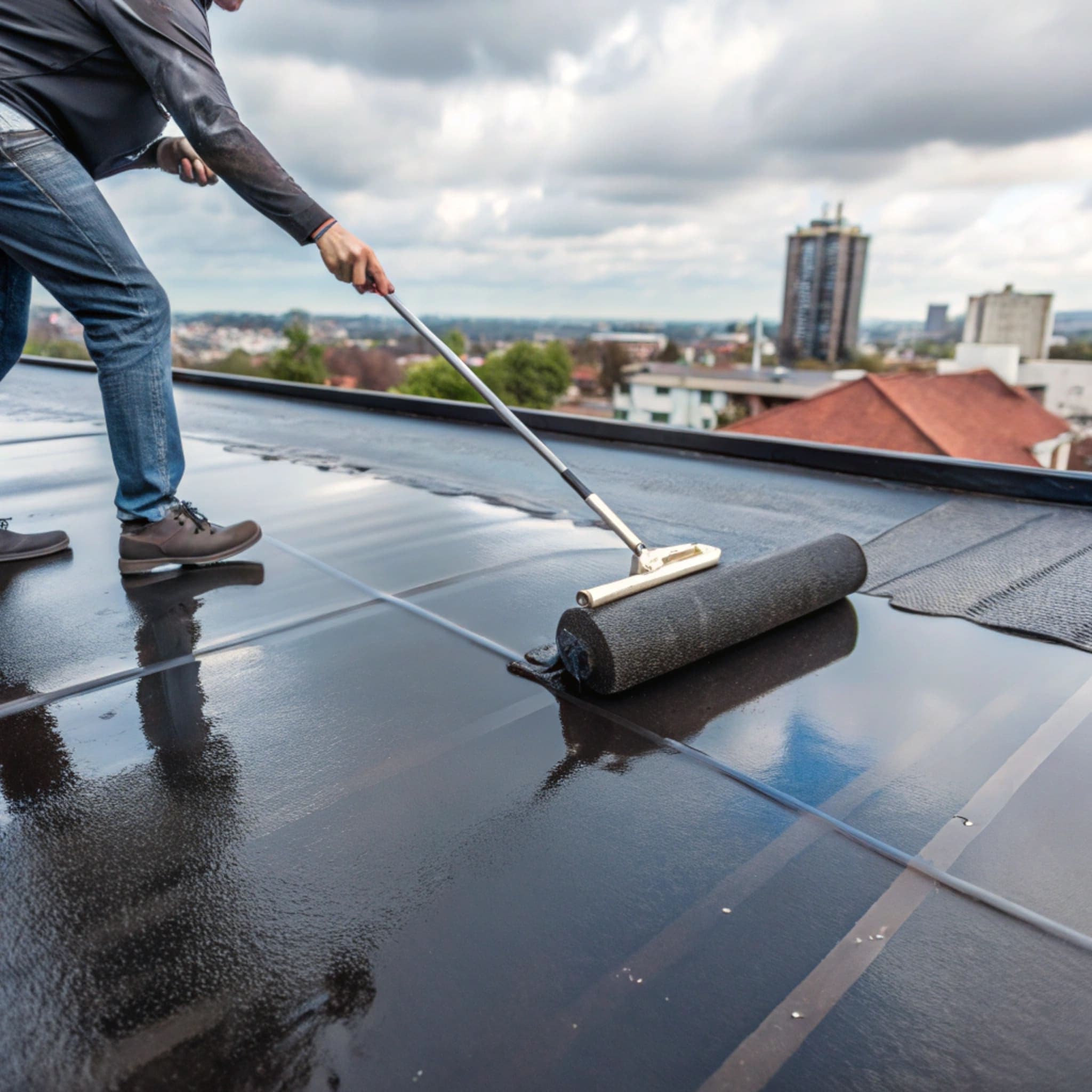
Crystalline waterproofing penetrates the pores and capillaries of the concrete itself. Once inside, it reacts with moisture and chemicals already present to grow microscopic crystals that fill voids and micro-cracks from within. The concrete becomes the water barrier, and the material reactivates every time it contacts water again, even years after installation. It can be added directly into the concrete mix at the batching plant (admixture) or applied as a coating on existing concrete for retrofits. Best for basements, foundations, water tanks, tunnels, and any below-grade structure exposed to constant moisture.
2. Liquid-Applied Membranes (Elastomeric / Polyurethane)
Sprayed or rolled onto a surface, these cure into a seamless, flexible, elastomeric film. Unlike rigid coatings, they stretch to bridge cracks and accommodate natural building movement without breaking their seal. High-performance versions report tensile strength above 2.5 N/mm², elongation at break of 900–1,350%, and the ability to bridge cracks up to 2mm. Best for terraces, flat roofs, balconies, and any exposed surface where UV resistance and flexibility both matter. This is a Mekina specialty, covering both membrane and PU waterproofing.
3. Nanotechnology & Ceramic Nano-Coatings
Nano-coatings use hydrophobic (water-repelling) and oleophobic (oil-repelling) particles to create a surface that resists water, dirt, and oil at a microscopic level. A major advantage is that they are typically colourless and invisible after application, unlike traditional coatings that alter a surface's appearance. Best for facades, decorative surfaces, and any application where appearance can't change.
4. Injection Grouting & Composite Waterstops
Used heavily in tunnels, mining infrastructure, and construction joints, this technique combines waterstops (physical barriers embedded in joints) with grouting materials that expand on contact with water. Recent comparative studies found polymer-coated waterstops outperform steel-edged rubber waterstops and composite grouting pipes in controlled testing, though construction quality control mattered as much as material choice. Best for tunnels, underground infrastructure, construction joints, and structural repairs.
5. Hybrid Multi-Layer Systems (The Real 2026 Trend)
The biggest shift this year isn't one new material, it's combining several. Common combinations include Crystalline + Membrane for basements, Liquid Membrane + Screed for terraces, and Integral Admixture + Surface Coating for general structural protection. If the interior crystalline barrier is compromised, the exterior membrane still protects, and vice versa. This redundancy is becoming standard for structures expected to perform for decades under increasingly unpredictable climate conditions.
Hybrid multi-layer protection is the approach Mekina recommends for most projects where long-term protection matters more than upfront cost. See how we apply these systems on real projects through our waterproofing membrane services.
Explore Waterproofing Membrane Services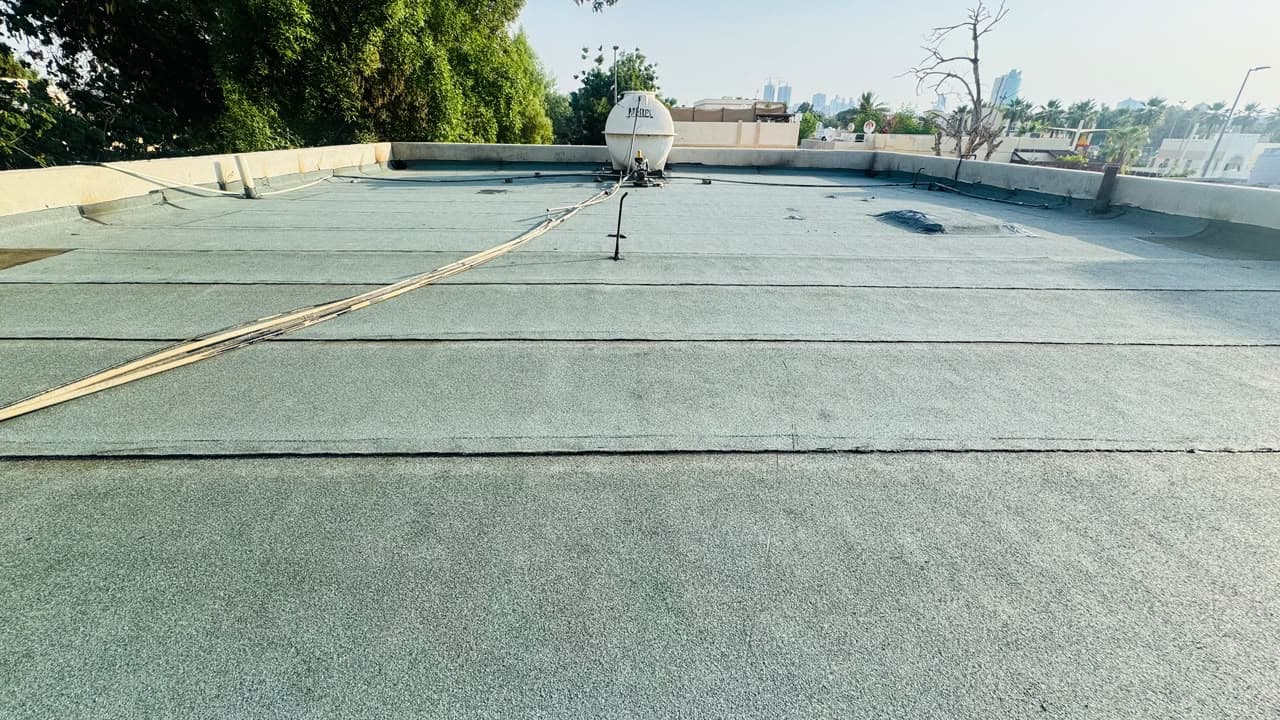
Sandwich Panel Installation: A Complementary Service
Beyond waterproofing membranes and coatings, many structures, especially warehouses, cold storage, and industrial buildings, also rely on sandwich panel installation for insulation and weatherproofing. These pre-fabricated panels combine an insulating core (often PUF or PIR) between two metal skins, offering built-in thermal insulation alongside weather resistance.
Mekina offers sandwich panel installation alongside its waterproofing services, making it a single point of contact for both waterproofing and insulated panel needs on the same project.
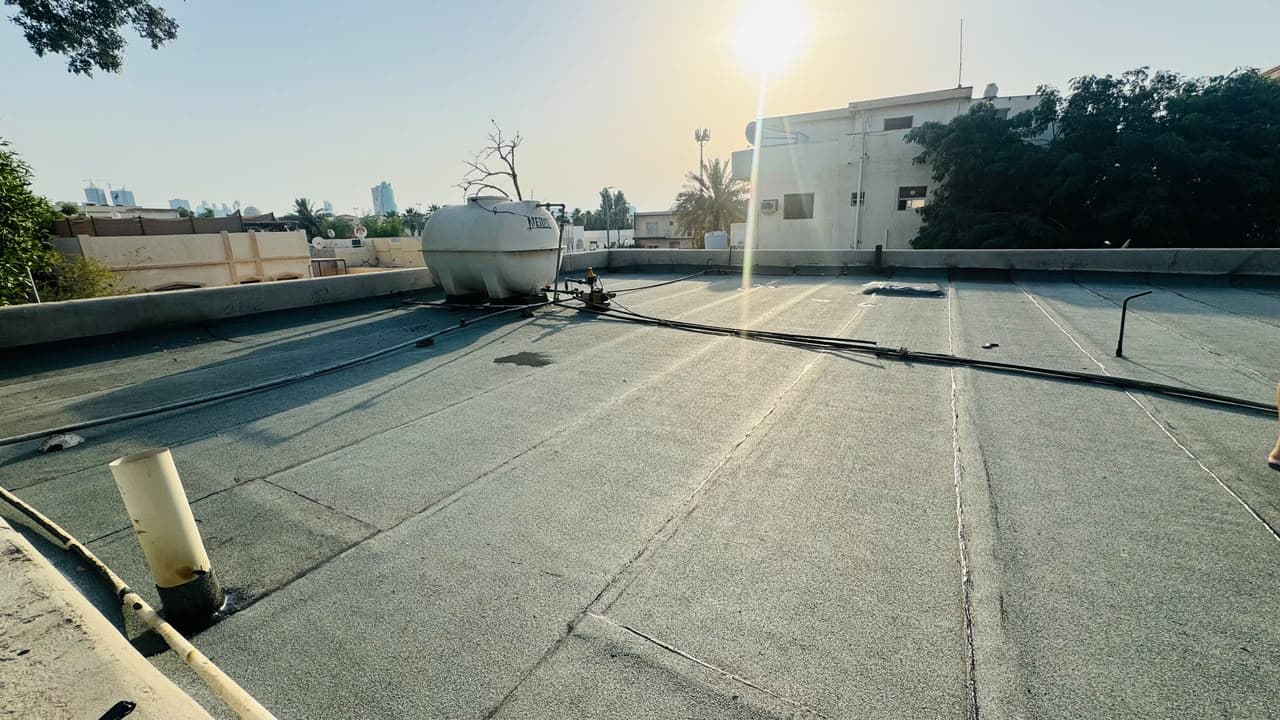
Case Study: Membrane Waterproofing for a Residential Terrace, Dubai
The problem: a residential villa terrace in Jumeirah, Dubai, was experiencing water seepage into the ceiling of the floor below following seasonal rainfall, causing visible damp patches and paint damage.
The solution: Mekina's team inspected the site and identified surface cracks and poor drainage slope as the root cause. After surface preparation and crack repair, a liquid-applied PU (polyurethane) membrane waterproofing system was applied.
The result: the terrace has remained leak-free through the following rainy season, with no reported seepage or damage to the ceiling below.
The Process We Followed
The terrace project was completed in 5 days, including curing time:
- Site inspection and moisture testing
- Surface cleaning and crack filling
- Primer application
- Two coats of PU membrane with fibre mesh reinforcement at joints
- Final protective top coat
Correct diagnosis of the root cause, here cracks and poor drainage slope, is what keeps the fix from failing again.
Waterproofing failures are expensive to fix and disruptive to live with. Mekina applies the latest techniques matched to your structure's specific risk factors, so you get protection built to last, not a one-size-fits-all fix. Our core services include membrane waterproofing, PU (polyurethane) waterproofing, and sandwich panel installation.
Discuss Your Waterproofing ProjectThe best waterproofing technique is the one matched to your structure: crystalline for below-grade concrete, liquid membranes for exposed roofs and terraces, nano-coatings for facades, and hybrid systems where long-term performance is critical.
Get in touch with Mekina Technical Services today to discuss the right waterproofing solution for your project.
Frequently Asked Questions
What is the newest waterproofing technology?
Is crystalline waterproofing better than membrane waterproofing?
What is the cheapest waterproofing method?
How long does modern waterproofing last?
What is Type 2 / Class 2 waterproofing?
Looking for a reliable technical service company in Dubai? Contact Mekina to explore our full range of MEP (HVAC, Electrical and Plumbing), Waterproofing, Automation (Home and Industrial) and facility maintenance solutions.